Why Our Lessons Are Intentionally Text-Dense
Secondary science—especially Biology—is not just a conceptual subject; it is a Tier 3 language. Academic linguistic research indicates that secondary school Biology introduces more unique and specialized technical terms per page than first-year foreign language curricula. Watching an animated video gives students a comforting "illusion of competence", but real exam marks are won or lost on whether a student can read dense exam prompts, extract precise data, and write Tier 3 keywords.
Tier 1: Conversational
Everyday vocabulary used in casual speech and basic social communication. Required for general dialogue but insufficient for exam precision.
Tier 2: Academic General
High-frequency words found across multiple subjects, such as command words and analytical prompts. Vital for interpreting question requirements.
Tier 3: STEM Domain-Specific
Low-frequency, concept-dense words that carry specific scientific and mathematical meaning. These are the mandatory keywords in exam mark schemes.
Transitioning from Passive to Active Reading
Passive consumption (letting words glide across the eyes or playing a video in the background) produces a mere 20% retention rate. Active reading forces the student to engage working memory, interrogate sentence structures, and extract actionable principles.
| Feature | Passive Reading / Watching (Low Retention) | Active Information Extraction (Examiner Mastery) |
|---|---|---|
| Cognitive Approach | Skimming text without questioning; assuming understanding. | Interrogating sentences: "Why did the author use this term?" |
| Vocabulary Handling | Skipping complex words (e.g. osmoregulation). | Highlighting Tier 3 keywords and defining them in margins. |
| Video Engagement | Watching passively like entertainment. | Pausing to solve worked examples BEFORE the teacher reveals the answer. |
| Testing | Re-reading notes repeatedly (passive familiarity). | Self-testing via collapsible accordion quizzes and mark schemes. |
The 4-Step Examiner Protocol for Every Lesson:
First-Pass Scan
Read the Learning Objectives and Topic Summary to create a mental schema before starting the video.
Dual-Code Extraction
Watch the video with notes beside you. As key Tier 3 words appear, highlight them in the formula cheat-sheet.
Re-Read & Solve
Cover the Worked Example solutions. Attempt the questions independently using the FIFA method.
Mark Scheme Test
Open the interactive Quiz accordions. Compare your exact wording against the senior examiner scoring points.
Speed Reading & Peripheral Vision Training
Secondary exams are severely time-pressured. Students who read slowly experience cognitive bottlenecking—exhausting their working memory on decoding sentences rather than solving scientific problems. Our integrated cognitive tools train the brain to eliminate subvocalization and widen perceptual span:
RSVP Speed Reader
Rapid Serial Visual Presentation trains your eyes to ingest text at 300–600 words per minute without internal vocalisation bottlenecks.
Schulte Grid & Peripheral Vision
Widen your perceptual gaze span to spot critical command words, numbers, and scientific variables instantly across exam papers.
Comprehension Trainer
Practice reading dense scientific extracts and answering inference, deduction, and factual retrieval questions with immediate feedback.
Interactive Flashcards
Master active recall and spaced repetition for all Year 7 definitions, units, equations, and specialized biological terminology.
Year 7 Video Lessons & Mark Scheme Packs
Choose a subject or search any topic keyword to access the complete video lesson, worked examples, and interactive quiz accordions.
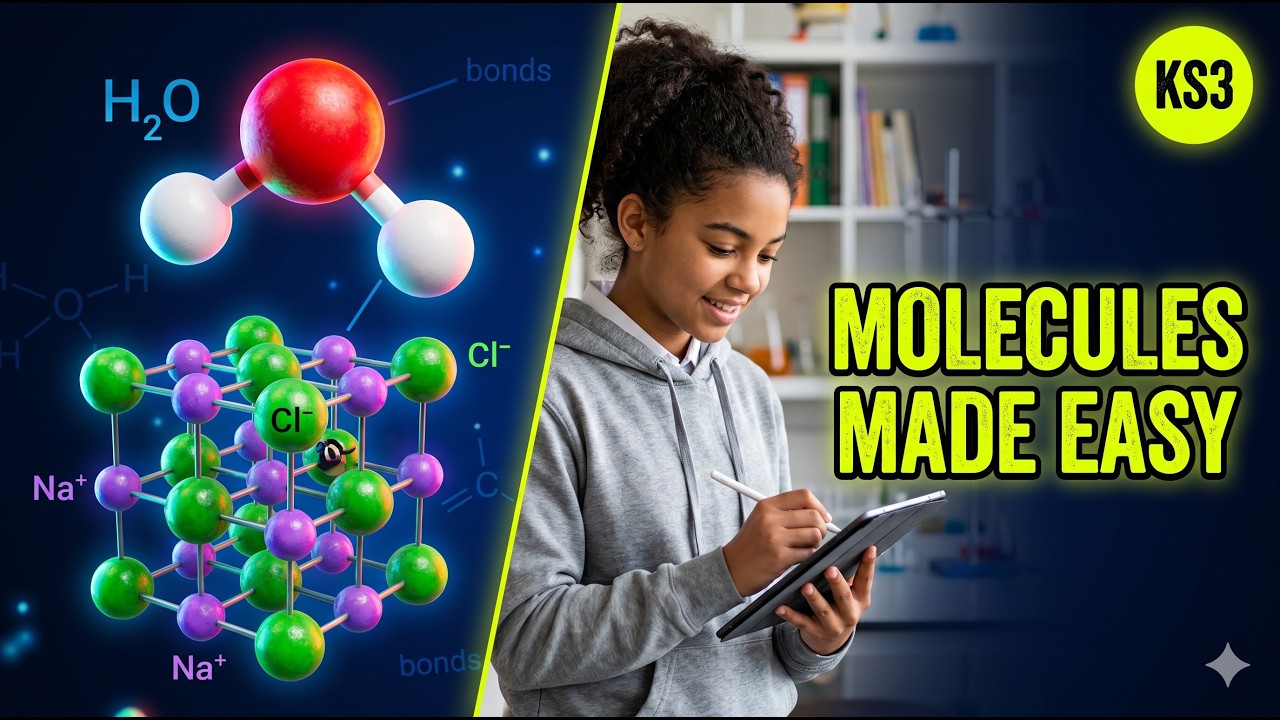 Chemistry
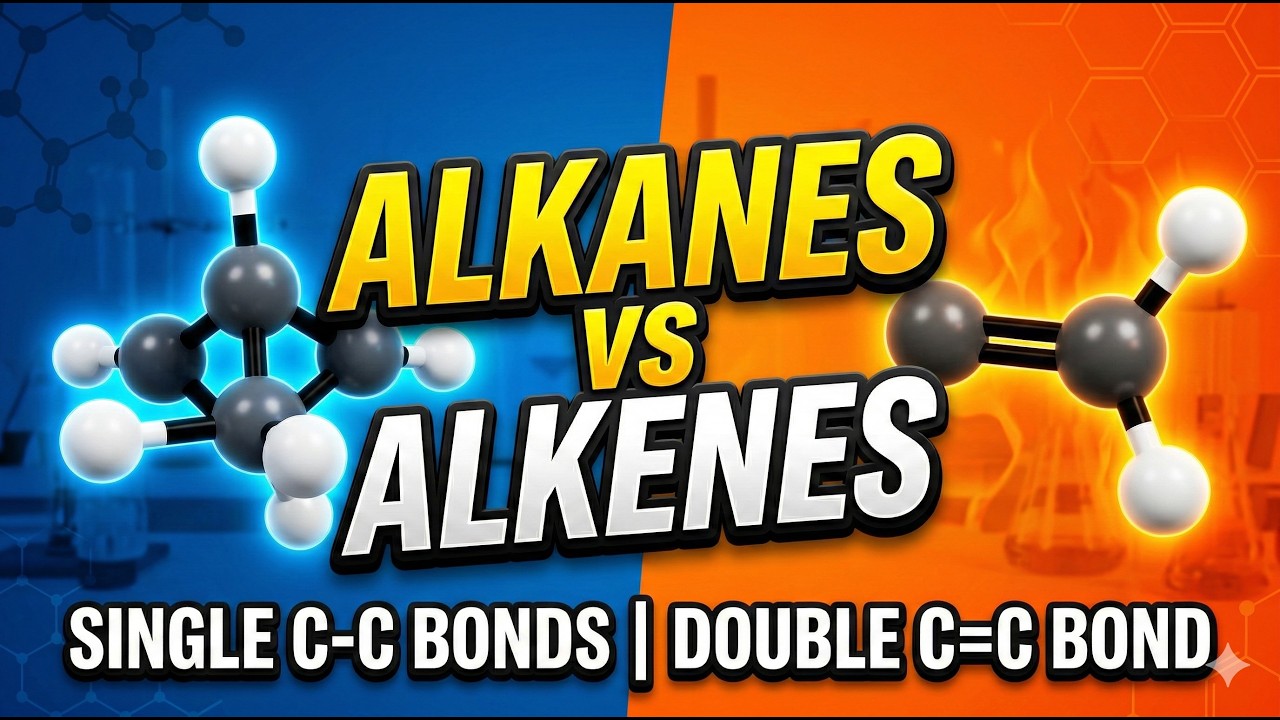 Chemistry
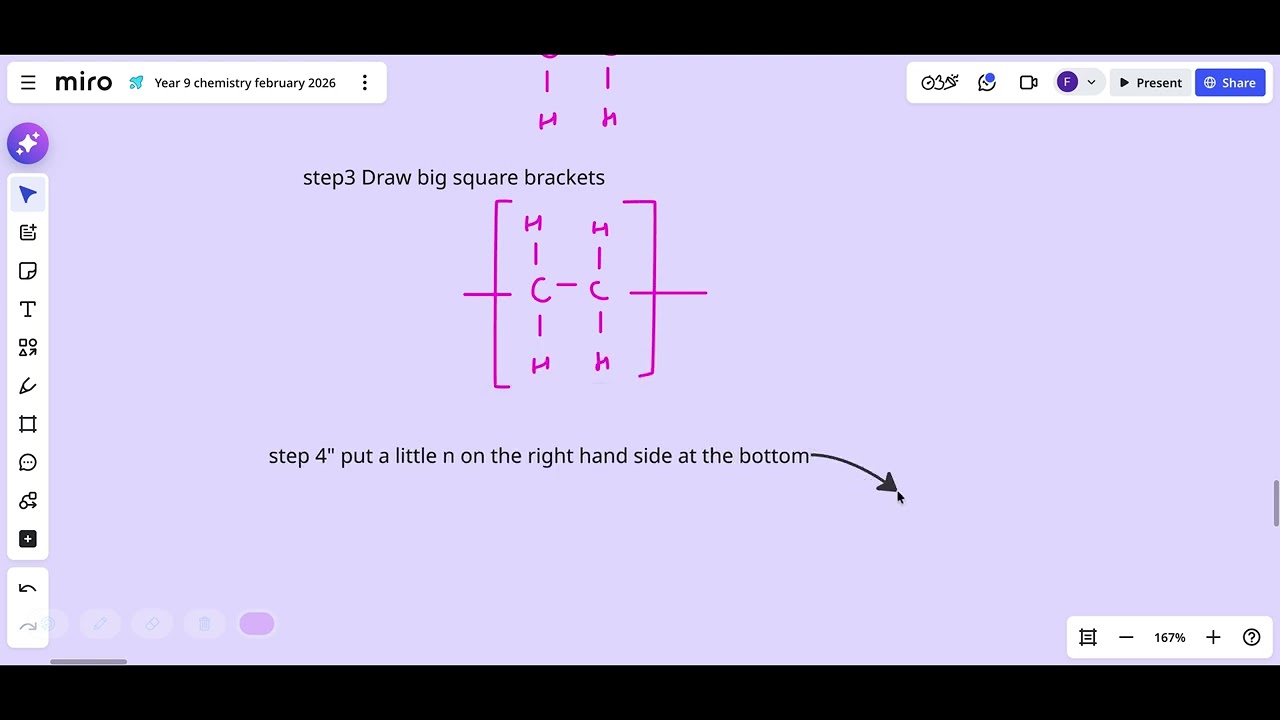 Chemistry
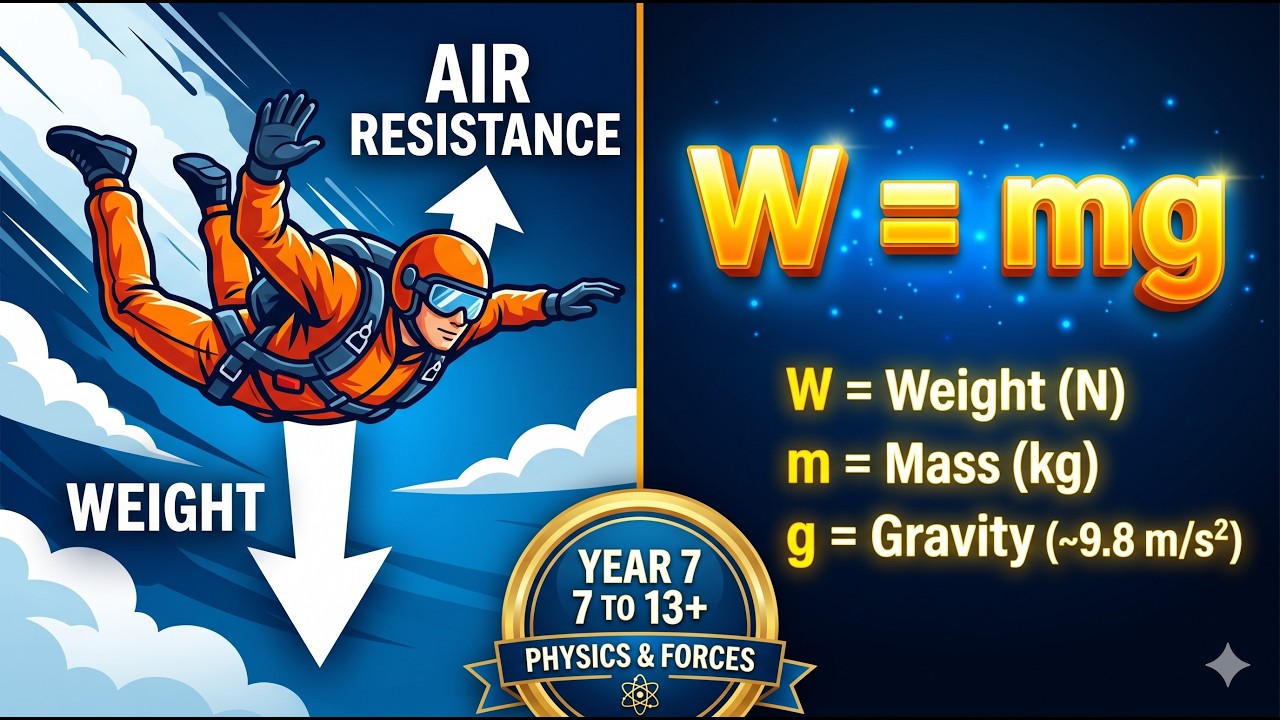
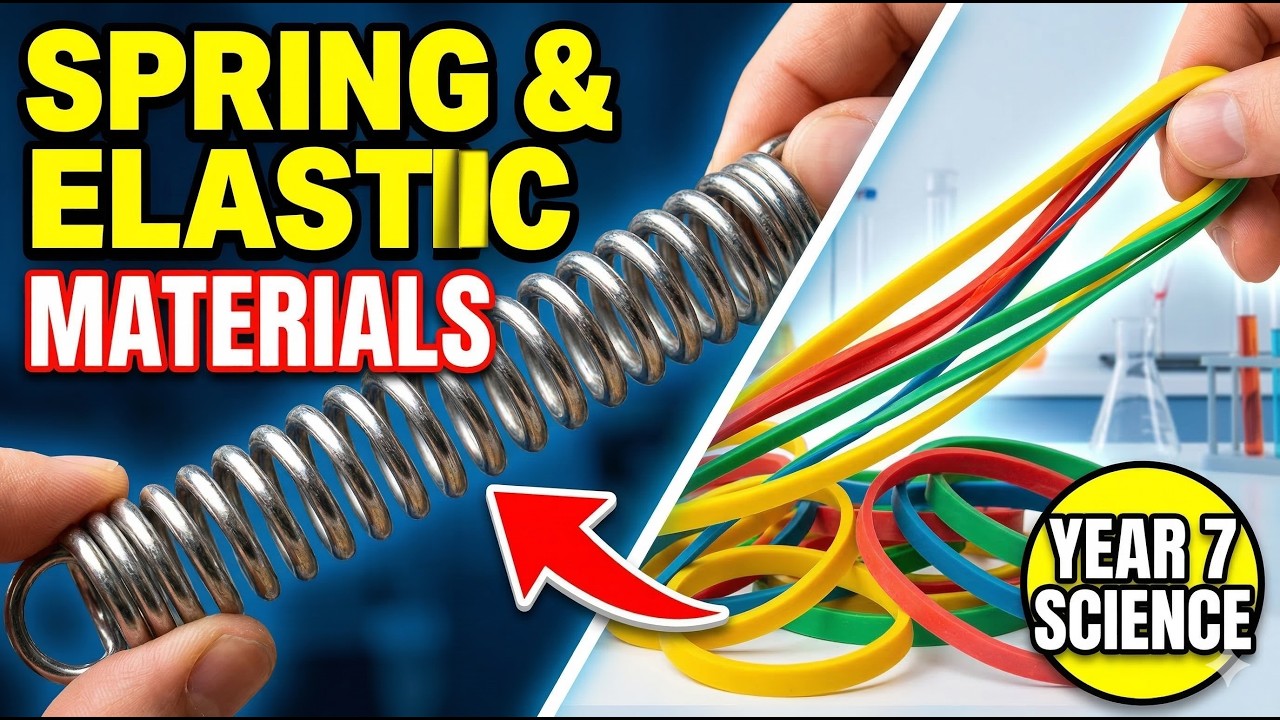
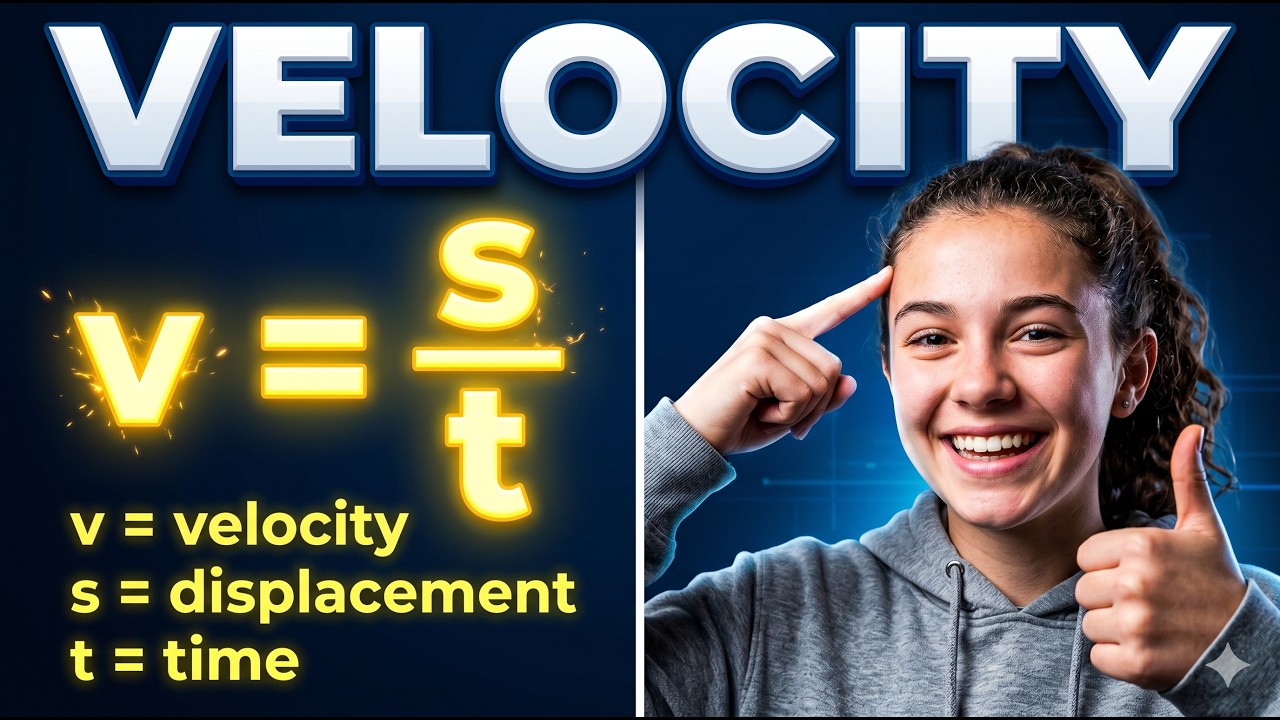


Designed by Fiaraz Iqbal
"Our educational philosophy centres on disciplinary literacy. If a child cannot confidently read, analyze, and write Tier 3 scientific language, their ceiling at GCSE and A-Level is capped. By combining structured video explanations with high-density text, worked examples, and rapid visual training, we give Year 7 students an unfair advantage."
Frequently Asked Questions
Why are the lesson pages so text-dense instead of just showing the video?
What is Tier 3 vocabulary and why is it essential in Year 7?
How does the RSVP Speed Reader tool help with science revision?
How do Schulte Grids improve exam performance?
Accelerate Your Year 7 Academic Journey
Enrol in tailored 1-to-1 or masterclass tuition programmes with senior examiner Fiaraz Iqbal to master STEM literacy and exam technique.
Book a Free Assessment